The mission of the Iron Medics EMS Motorcycle Club is to help bring awareness to the growing epidemic of suicides potentially related to PTSD among First Responders.
Why we do what we do
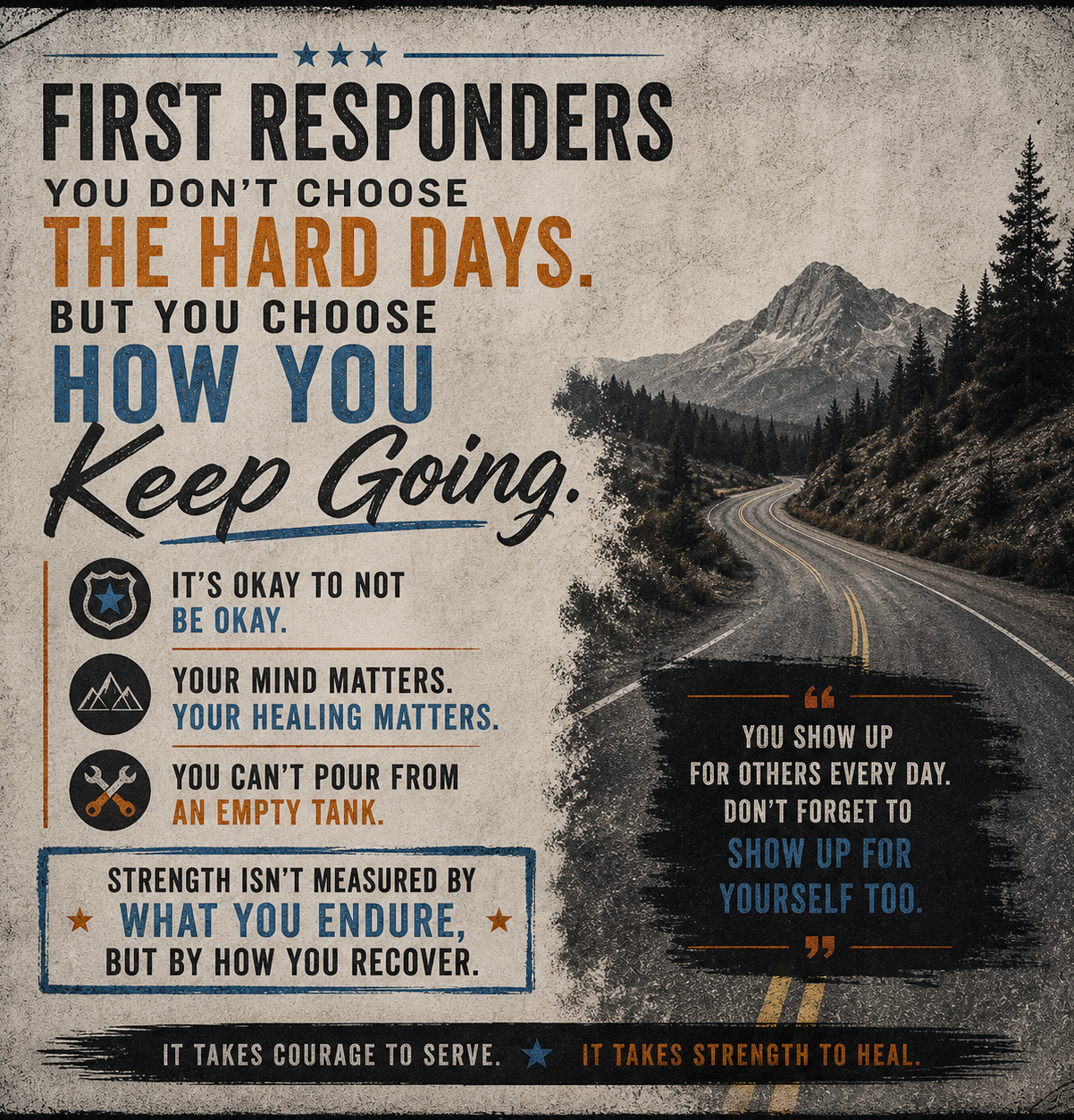
First Responders and Allied Healthcare Workers are routinely exposed to trauma most people never experience. Over time, that repeated exposure can take a serious toll on mental health, often silently. Many first responders feel pressure to stay strong, which can lead to suppressing emotions instead of seeking help.
By talking openly about PTSD and suicide, we help break the stigma that keeps people suffering in isolation. Awareness encourages early support, promotes healthier coping strategies, and reminds first responders that asking for help is a sign of strength, not weakness.
Ultimately, it’s about protecting the people who dedicate their lives to protecting others.
the Statistics
First Responders:
Up to 30% develop PTSD or related behavioral health conditions - Substance Abuse and Mental Health Services Administration (SAMHSA)
Healthcare Workers (nurses, EMTs, hospital staff):
Studies show 10%–20% experience PTSD, with higher rates after major crises (e.g., COVID-19) - National Institutes of Health (NIH)
During high-trauma periods (like pandemics or mass-casualty events), PTSD rates in healthcare workers have reached 20%–40% - JAMA Network
General U.S. population:
About 6% experience PTSD at some point in their lives - U.S. Department of Veterans Affairs
Acknowledge What You’re Carrying
PTSD doesn’t mean you’re weak—it means your brain is responding to repeated stress and trauma. Naming what you’re feeling (stress, anger, numbness, hyper-alertness) is the first step toward regaining control.
Don’t Handle It Alone
Isolation makes symptoms worse. Talk to someone you trust, a peer, therapist, or support group. Evidence-based treatments like trauma-focused therapy can make a real difference.
Build Daily Reset Habits
Small, consistent actions help regulate your nervous system. Physical activity (even short walks), Controlled breathing or grounding techniques, Sleep routines and limiting alcohol These aren’t quick fixes.....but they create stability over time.

You are not alone!
The weight you carry is real, but it was never meant to be carried by one person. Healing doesn’t happen in isolation—it happens when we reach out, stand together, and lean on those who understand the road we’ve walked. Through connection, support, and shared strength, even the heaviest burdens can be faced and overcome
Who We work with
We’re proud to collaborate with organizations that don’t just partner with us, they actively invest in the communities we serve. Each of these relationships is built on mutual support, shared values, and a commitment to making a meaningful impact. Click to learn more about these great organizations